Fractal 116: A Versatile Ornamental Design for Creative Projects
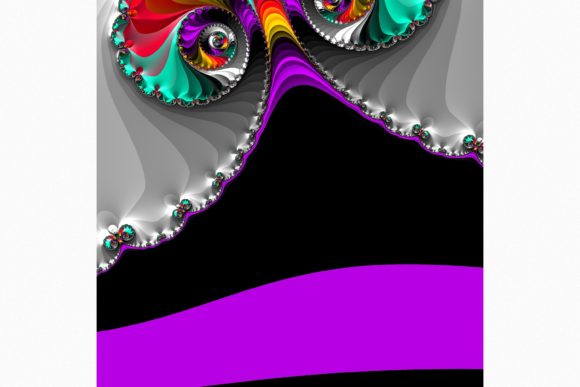
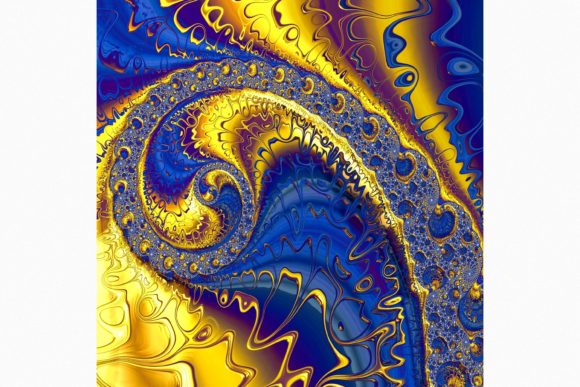
Fractal 116 is a unique ornamental design that features intricate fractal patterns in a striking blue and yellow gradient. This high-resolution image, available as a 12 x 12-inch JPG file at 300 dpi, offers exceptional detail and clarity suitable for a wide range of creative applications. Whether you're working on scrapbooking, stationery, or digital media, Fractal 116 provides a visually compelling backdrop that can elevate your projects with its artistic complexity.
The design's fractal elements are based on mathematical principles that create self-similar patterns at different scales. This characteristic gives Fractal 116 a sense of depth and movement, making it ideal for both traditional and modern art forms. The blue and yellow color scheme adds vibrancy while maintaining a professional aesthetic, allowing the design to fit into various visual styles without overpowering other elements.
What Makes Fractal 116 Distinct?
Fractal 116 stands out due to its combination of mathematical precision and artistic appeal. Unlike many generic background designs, this pattern is not just decorative—it’s rooted in the concept of fractals, which are found in nature and often used in advanced design systems. This makes Fractal 116 more than just an ornamental choice; it's a design that reflects a deeper understanding of visual structure and symmetry.
The blue and yellow gradient enhances the visual impact of the fractal patterns. Blue evokes calm and professionalism, while yellow adds energy and warmth. Together, they create a balanced yet dynamic composition that works well in both digital and print formats. The high resolution ensures that the details remain sharp even when scaled up, making it suitable for large-format printing such as posters or banners.
Comparing Fractal 116 with Similar Options
When considering ornamental designs for creative projects, there are several alternatives to explore. Some designs may focus on simpler geometric shapes, while others might use abstract brushstrokes or floral motifs. Fractal 116 differs by offering a more structured and mathematically inspired approach. This makes it particularly appealing for designers who want to incorporate a sense of order and complexity into their work.
Compared to traditional patterns, Fractal 116 offers a more modern and unique aesthetic. While classic patterns like damask or paisley have their own charm, they may not provide the same level of visual interest or adaptability. Fractal 116’s ability to blend organic and structured elements makes it versatile across different design contexts.
For those looking for digital assets, Fractal 116 is available as a high-quality JPG file, ensuring compatibility with most graphic design software. This format allows for easy integration into projects without compromising on quality. In contrast, some alternative designs may be limited to specific file types or lower resolutions, which can affect their usability in professional settings.
Strengths and Best-Fit Situations
One of the key strengths of Fractal 116 is its adaptability. It can be used as a background for everything from blog banners to book covers, providing a consistent visual theme that complements other design elements. Its neutral yet vibrant color palette makes it suitable for both personal and commercial projects, offering flexibility in application.
Fractal 116 is particularly well-suited for projects that require a balance between creativity and professionalism. For example, in fashion design, the pattern could serve as a subtle texture on fabric or as a printed element on clothing. In publishing, it could enhance the cover of a magazine or book, adding visual interest without distracting from the main content.
Another advantage is its scalability. Whether used in a small card or a large poster, the design maintains its integrity and clarity. This makes it a reliable choice for designers who need to work across multiple formats and sizes.
Tradeoffs and Limitations
While Fractal 116 has many advantages, it may not be the best choice for every project. Its complex design could overwhelm simpler layouts, where minimalism or clean lines are preferred. In such cases, a more straightforward pattern might be more appropriate.
Additionally, the blue and yellow gradient, while visually engaging, may not align with all brand aesthetics. Designers should consider how the color scheme interacts with other elements in their work. If the overall palette is more subdued or monochromatic, Fractal 116 could appear too bold or inconsistent.
It’s also important to note that Fractal 116 is a static image, meaning it doesn’t offer animation or interactivity. For digital projects that require motion graphics or interactive elements, this limitation may necessitate additional design work or the use of complementary assets.
When Fractal 116 Is the Right Choice
Fractal 116 is ideal for projects that benefit from a visually rich and mathematically inspired design. If you're creating a website banner, a CD cover, or a video game interface, the pattern can add a layer of sophistication and uniqueness. Its high resolution ensures that it looks great in both digital and print formats, making it a practical choice for designers who work across multiple mediums.
For artists and crafters, Fractal 116 offers a fresh source of inspiration. Its intricate patterns can serve as a base for hand-drawn elements or as a reference for creating custom designs. The versatility of the file format allows for easy manipulation, enabling users to customize the design to suit their specific needs.
Alternative Considerations
If Fractal 116 doesn't meet your specific requirements, there are other options worth exploring. For instance, if you prefer a more organic look, you might consider natural textures or botanical patterns. Alternatively, if you're looking for something more abstract, a design with fluid shapes or irregular forms could be a better fit.
For those who prioritize simplicity, minimalist patterns or solid colors may be more effective. These alternatives can provide a clean and uncluttered appearance, which is often preferred in certain design disciplines. However, they may lack the visual complexity and depth that Fractal 116 offers.
Ultimately, the choice depends on the goals of your project and the visual language you want to convey. By evaluating the strengths and limitations of different design options, you can make a more informed decision that aligns with your creative vision.