Digital Rough Paper Pattern: A Versatile Design Resource for Creative Projects
In the world of digital design, texture plays a crucial role in adding depth, character, and visual interest to projects. One such resource that has gained popularity among designers, artists, and creators is the Digital Rough Paper Pattern or Texture. This unique design element offers a realistic, handcrafted feel that can elevate any creative work, whether it's for print, digital media, or mixed-media art. Understanding what this pattern is and how it can be used effectively can help you unlock new possibilities in your design workflow.
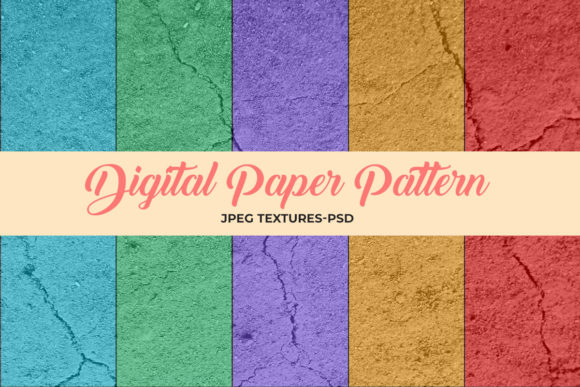
The Digital Rough Paper Pattern is a high-resolution image or set of images that mimic the look and feel of actual paper with a rough, uneven surface. These patterns are often created using vector graphics or raster images and can be applied as backgrounds, overlays, or textures in various design projects. The texture adds a tactile quality that can make digital designs feel more authentic and engaging. Whether you're working on a branding project, a graphic design piece, or an artistic composition, incorporating a Digital Rough Paper Pattern can add a layer of sophistication and uniqueness to your work.
Challenges and Needs Addressed by Digital Rough Paper Patterns
Many designers face challenges when trying to achieve a specific aesthetic or mood in their work. For instance, a clean, modern design may lack warmth or personality, while a highly detailed design might feel overwhelming or cluttered. In these situations, a Digital Rough Paper Pattern can serve as a powerful tool to balance complexity and simplicity. It allows you to introduce texture without overpowering the design, creating a visually appealing contrast that draws the viewer’s attention.
Another common challenge is the need for versatility. Different projects require different styles, and having access to a variety of textures can make the design process more efficient. A Digital Paper Pattern free sample pack provides a range of options, allowing you to experiment with different looks and find the perfect match for your project. This flexibility is especially valuable for freelancers, small businesses, and independent artists who need to produce high-quality work quickly and cost-effectively.
Practical Applications of Digital Rough Paper Patterns
The Digital Rough Paper Pattern can be used in a wide range of applications. In graphic design, it can serve as a background for posters, brochures, or social media content, adding a subtle yet impactful texture. For digital artists, it can act as a base layer for paintings or illustrations, giving the artwork a more organic feel. In the realm of fabric design, a Digital Paper Fabric Pattern can be used to create unique textile designs that mimic the look of handmade paper or traditional crafts.
Additionally, the Digital Paper Pattern Bundle offers a comprehensive collection of textures that can be used across multiple projects. This makes it an excellent resource for designers who want to maintain a cohesive style throughout their work. For example, a designer working on a series of marketing materials might use the same Digital Rough Paper Pattern across all pieces, ensuring consistency while still allowing for creative variation.
Examples and Recommendations for Using Digital Rough Paper Patterns
One practical application of the Digital Rough Paper Pattern is in the creation of stationery or packaging. A handmade-style texture can give a product a more personal and artisanal feel, which is particularly appealing to consumers looking for unique, high-quality items. For instance, a small business owner creating custom greeting cards might use a Digital Paper Pattern to simulate the look of real paper, making the cards more visually appealing and marketable.
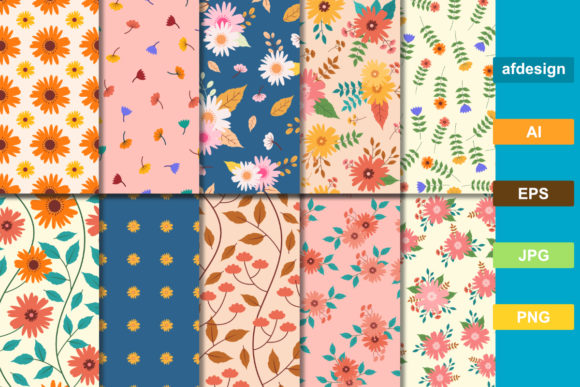
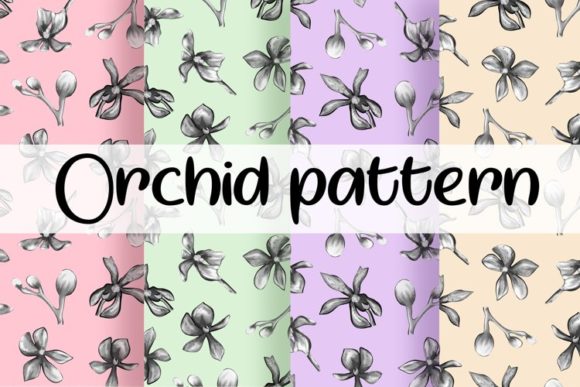
Another example is in the field of web design. While digital textures may not always be the best choice for every website, they can be used strategically to enhance user experience. A Digital Flower Pattern Vector, for example, could be used as a subtle background for a blog or portfolio site, adding visual interest without distracting from the main content.
When selecting a Digital Rough Paper Pattern, it's important to consider the resolution and format. Most high-quality patterns are available in JPEG and PSD formats, with a resolution of 300 DPI to ensure clarity and detail. This is especially important if the pattern will be used in print, where low-resolution images can appear pixelated or blurry. Additionally, choosing a pattern that aligns with the overall theme of your project can help create a more harmonious and professional result.
How Different Users May Approach the Topic
Users may approach the Digital Rough Paper Pattern differently depending on their goals and skill level. A professional designer might use it as a sophisticated background element in a high-end project, while a hobbyist might incorporate it into a DIY craft or digital collage. The key is to understand the purpose of the pattern and how it can enhance the final outcome.
For those new to digital design, starting with a Digital Paper Pattern Free Sample Pack can be a great way to explore different textures and see how they work in practice. This allows users to experiment without committing to a large purchase. Meanwhile, experienced designers may prefer to invest in a comprehensive Digital Paper Pattern Bundle to have access to a wider range of options for future projects.
Ultimately, the Digital Rough Paper Pattern or Texture is a valuable resource that can bring creativity, depth, and authenticity to a wide range of design projects. Whether you're looking to add texture to a digital artwork, enhance a printed material, or create a unique visual identity, this versatile design element can help you achieve your goals. By understanding its potential and experimenting with different applications, you can unlock new possibilities and elevate your creative work.